Eosinophilic esophagitis
Allergic swelling of the esophagus
Eosinophilic esophagitis research asks which foods drive the swelling and how to keep the lining calm.
Eosinophilic esophagitis often shows up as food that feels stuck on the way down, slow chewing and plenty of water with every meal, or in children as feeding trouble and vomiting. This page sets out what studies of it try, the scopes and biopsies they rely on, and how removing foods comes into the research.
Where it sitsLining of the esophagus
In eosinophilic esophagitis, often shortened to EoE, a kind of white blood cell called an eosinophil collects in the lining of the esophagus. It is an allergic-type reaction, most often to foods such as milk, wheat, egg or soy, and many people also have asthma, eczema or hay fever. Over the years the inflamed lining can form rings and scar tissue, so the esophagus narrows and no longer stretches easily.
Many people with EoE adapt without noticing: they cut food small, chew for a long time, avoid bread or tough meat, and drink between bites. Some learn they have it only when food lodges in the esophagus and has to be removed in an emergency room. In children it can look like picky eating, belly pain, vomiting or slow growth. Meals with friends or at school can take careful planning.
What eosinophilic esophagitis research still wants to learn
EoE was described fairly recently, and doctors have learned a great deal since, yet much remains unclear. Researchers want to know why it is becoming more common, how to find each person's trigger foods without trying one elimination after another, and whether it can be tracked without repeated scopes. They are also testing targeted medicines that block the signals calling eosinophils into the lining, and asking how long treatment needs to continue.
Approaches studies try
- Elimination dietsRemoving one or several common trigger foods for a set time, then bringing them back one at a time while scopes check the lining.
- Swallowed steroidsSteroid medicines made to coat the esophagus as you swallow, rather than being breathed into the lungs.
- Targeted antibody treatmentsMedicines given by injection that block specific signals in the allergic reaction behind the inflammation.
- Acid-lowering medicineWhether medicines that lower stomach acid also calm the lining in some people with EoE.
- Tracking without a full scopeLess invasive ways to sample the lining, such as a small sponge on a string that is swallowed and drawn back up.
Tests and measurements in eosinophilic esophagitis studies
| Check | What it tells the study team |
|---|---|
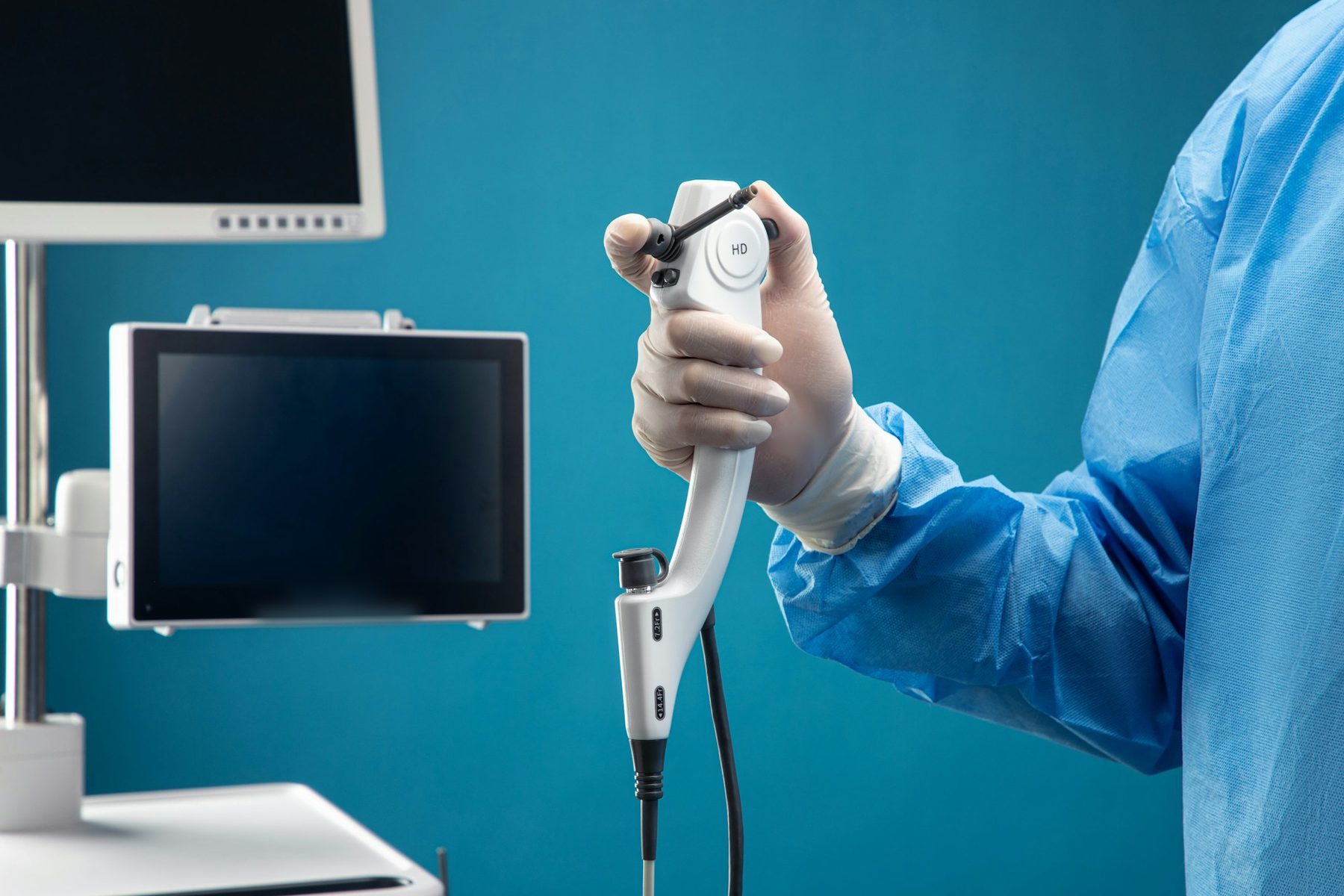
| A scope with biopsies | A thin camera looks at the esophagus and takes several tiny tissue samples, since eosinophils can only be counted under a microscope. |
| Allergy tests | Skin or blood tests for allergies, though these often fail to show which foods drive EoE. |
| Eosinophil counts in the blood | Samples that look at eosinophil levels and other signs of allergic inflammation in the blood. |
| Questionnaires on swallowing | Forms about how often food sticks, how you adapt at meals and how EoE affects eating out. |
Food and diet in eosinophilic esophagitis studies
Food often sits at the center of EoE research, since many people react to particular foods. A study may test removing one food or several, or giving a special nutritional formula, with scopes before and after to see whether the lining settles. A dietitian usually guides each step so nutrition stays on track, especially for children. Keep eating as you do now, and talk to your own doctor or a dietitian before cutting out any food.
Your eosinophilic esophagitis treatment during a study
Stay on the treatment your own doctor has set for EoE unless your doctor and the study team agree on a change. Tell the team about every medicine you take, including inhalers, allergy tablets and anything for reflux, since several of these can affect the esophagus. Any change to a dose or a plan belongs with your own doctor, allergist or gastroenterologist.
Things to raise with the eosinophilic esophagitis researchers
- How many scopes would the study need, and is sedation used for them?
- Will I have to cut out foods, and will a dietitian help me through it?
- Will my asthma inhaler and allergy tablets stay the same during the study?
- Does the study include children, and what would my child be asked to do?
- Eosinophil
- A type of white blood cell involved in allergic reactions. It is not normally found in the lining of the esophagus.
- Food impaction
- When swallowed food lodges in the esophagus and will not go down. It needs urgent care.
- Dilation
- A procedure during a scope that gently stretches a narrowed esophagus to make swallowing easier.
Questions about eosinophilic esophagitis
Both can cause heartburn and trouble swallowing, and they can occur together. GERD is driven by acid washing up from the stomach, while EoE is an allergic-type inflammation of the lining itself. The only way to tell them apart with confidence is a scope with biopsies, because eosinophils have to be counted under a microscope. Your own gastroenterologist can explain what your results show and what they mean for you.
EoE affects children as well as grown people, and some studies are built around children. A parent or guardian gives permission, and the child hears an explanation suited to their age before anything happens. Food studies in children usually involve a dietitian to protect growth. Other studies take only older people. Ask the team whether their study is open to young people and what it would mean for your child day to day.
Symptoms in EoE do not always track what is happening in the lining. Someone can feel better while eosinophils remain, or feel worse while the lining looks calm. Studies therefore usually take biopsies at the start and again later to see whether a diet or medicine has changed the tissue. Researchers are working on gentler ways to sample the lining for exactly this reason, so fewer full scopes are needed.
The study team does, if you choose to contact them and they decide you can join. You reach out to the team on your own, using the details the study provides. Clinical Corner is a source of news about research: it does not sign people up, hold spots or send anyone's name, contact details or health history to a study. The choice to go ahead stays with you.